Some interesting, blog-friendly facts about tea and weight management.
It’s best to avoid presenting tea as a “fat-burning” or weight-loss treatment; research suggests any effect is generally modest and depends heavily on overall diet and lifestyle.
🍵 Green tea contains catechins and caffeine. EGCG is its best-known catechin. Together with caffeine, these compounds have been studied for possible small effects on energy expenditure and fat metabolism, but drinking green tea alone is unlikely to produce meaningful weight loss.
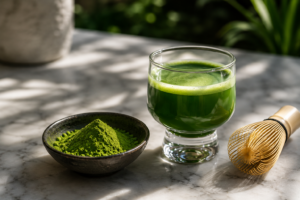
🍃 Matcha gives you the whole prepared tea leaf. Because matcha powder is consumed rather than simply infused and discarded, it provides a concentrated source of tea compounds, including catechins and caffeine.
🫖 Plain tea is naturally very low in calories. Green, black, oolong and white tea prepared with water and without sugar, syrups or milk can be useful replacements for high-calorie sweetened beverages.
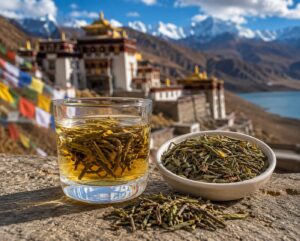
🌿 Oolong tea sits between green and black tea in processing. Its partially oxidized character gives it a distinctive flavor, while its polyphenols and caffeine have also attracted research interest in relation to energy metabolism.
🖤 Black tea contains different polyphenols from green tea. During oxidation, some catechins are transformed into compounds such as theaflavins and thearubigins. Research into their relationship with metabolism and gut health continues.
💧 Tea contributes to daily fluid intake. Despite containing caffeine, normal amounts of tea still count toward hydration for most healthy adults.
🍋 What you add can matter more than the tea itself. A plain cup of tea may contain almost no calories, while sugar, honey, flavored syrups, cream and sweetened milk can turn it into a much higher-calorie drink.